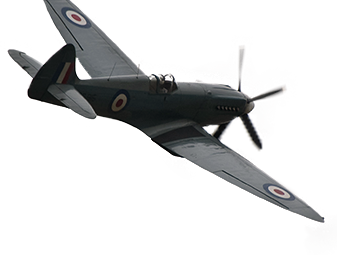
Not quite how I had planned it.

From my notes We arrived at the station where I tried to buy a Day Rover, unlimited travel on both the electric train and the steam train. “It’s a special event” said the unshaven man at the counter. “I can do you a return to Ryde and you just get off at Smallbrook Junction.” I…
Read more… 31 Mar 07
Locals just call it “the Island”
I’m finally getting around to organising my photographs and the shots from the Isle of Wight are rapidly appearing on Flickr: http://www.flickr.com/photos/landing/sets/72157600034671389/ Did you know there was an Isle of Wight County in Virginia? I first realised that I might have gone astray when I saw that “the Isle of Wight Museum offers Indian artifacts,…
Read more… 29 Mar 07
Keep the Runway Lights On

The weather played along: I was able to fly every evening last week. A minor hitch came up with the the plane being an N-reg (registered in the US). We sorted it out by using this darling TB10, a friendly, light plane that seemed eager to please; not something I’d ever say about the Saratoga!…
Read more… 20 Mar 07
Fly by Night
Next week I’m back in the saddle, getting to grips with the Saratoga and all her quirks after a quiet winter. I’ll be flying at Kidlington in Oxford, as they are friendly to general aviation, convenient from London, and have lights.Night rating, here I come. Flying VFR at night is, well, as different as night…
Read more… 8 Mar 07
Vraic
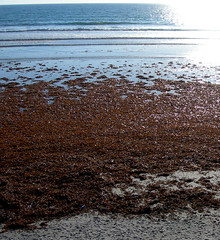
Vraic is seaweed and seaweed, on Jersey, is life. The agriculture on Jersey, including the famous Jersey Royal potato, owe their success to the fertilising from the sea. The harvest lasted around two months in the Spring and records as far back as 1299 show that it was frequently the cause of quarrels and criminal…
Read more… 2 Mar 07
Say again?
As a result of a new link (or two) to this site, I’ve been asked, rather directly, what exactly it is that I’m doing. I wrote up this bio/description the other day which hopefully explains: I am a 39-year-old German-American (brought up in both countries) currently living in Spain with my British boyfriend and very…
Accident Reports
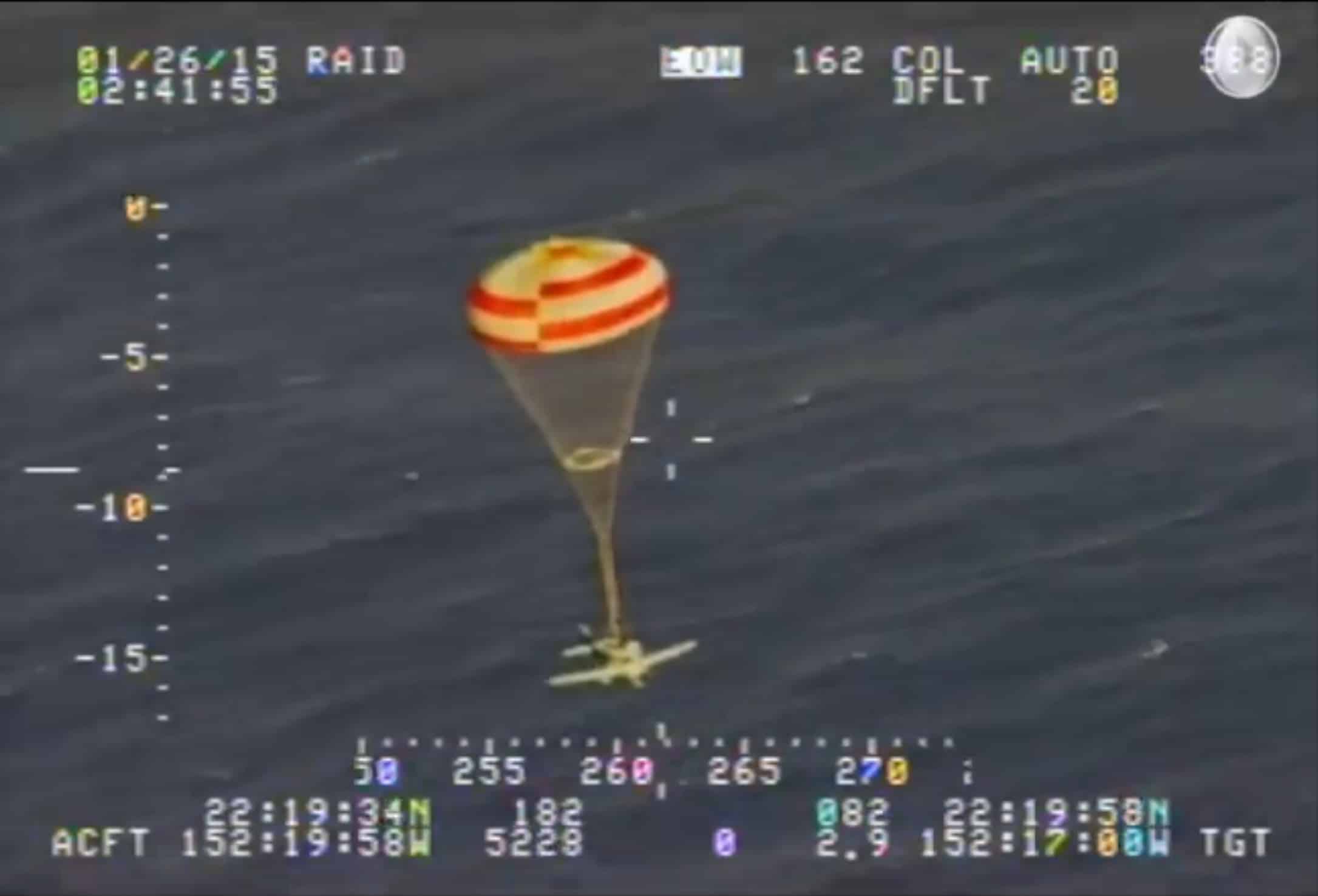 Ferry Tank Failure: Successful SR22 Ditching in the Pacific
In 2015, I shared a video of an SR22 whose pilot successfully deployed his Cirrus Airframe Parachute System (CAPS) off of the coast of Maui, Hawai’i. I wrote at the time…
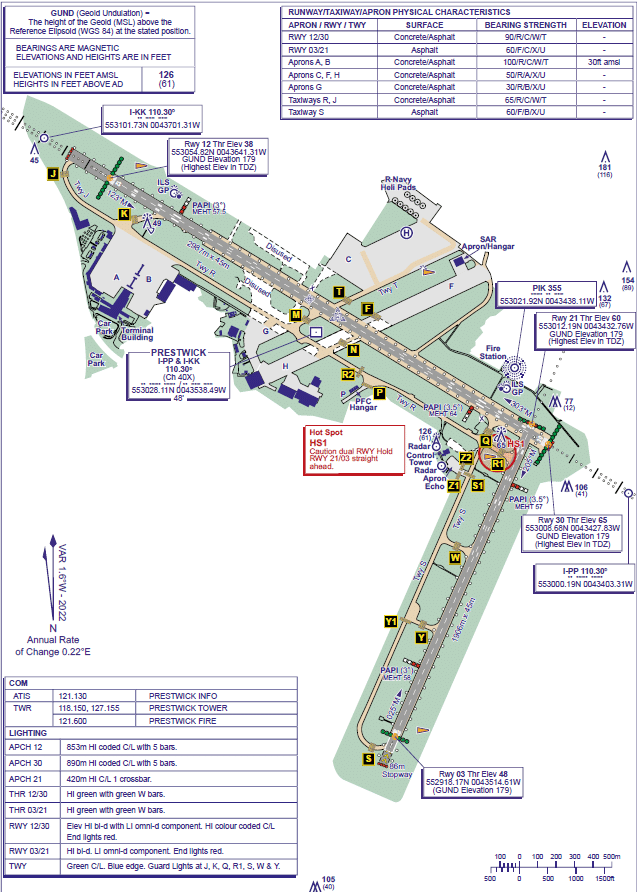 The Man in the Right Seat at Prestwick
On the 23rd of April 2024, a Piper Archer II crashed in South Ayrshire, Scotland, after losing power. There were two on board. Both suffered serious injuries and the light…
Demystifying
 The Pilots, the Probes, and the AF447 Verdict
On the 21st of May 2026, the Paris Court of Appeal convicted Airbus and Air France of involuntary manslaughter for their roles in the crash of Air France flight 447,…
 Meowing on Guard (an attempt at an explanation)
Last week a video went viral and it’s been fun to see the mainstream media coverage try to cover two pilots who were heard making animal noises on the radio. …
History
 The First Jet to Land on an Aircraft Carrier (Deliberately)
“The Vampire was the first jet to land on a moving aircraft carrier deliberately.” This quote from Airshow Luke, our MC at the Legacy of Liberty airshow, made me almost…
 Four Point Two Stars Where You Only Stop If You Have To
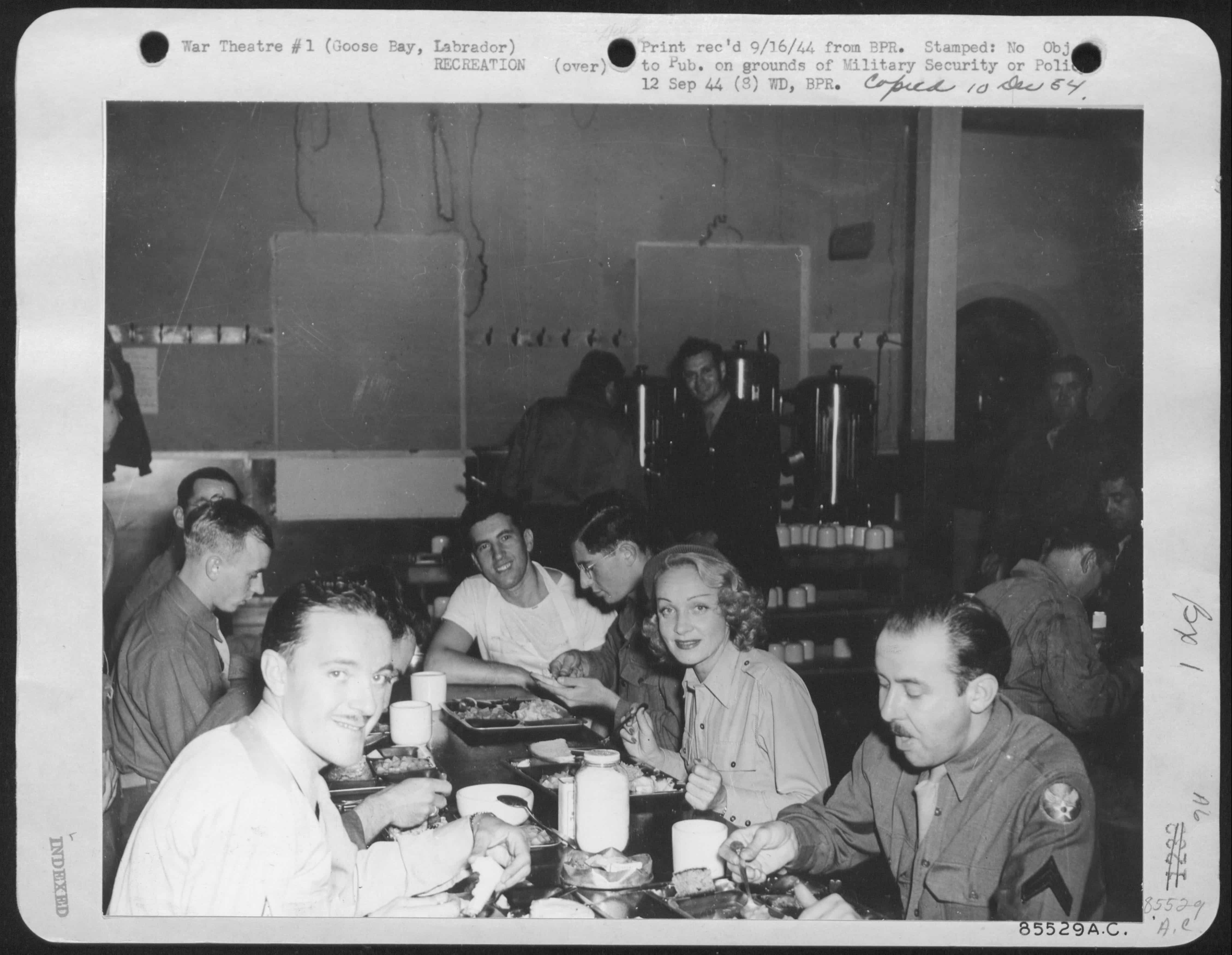
I always look up airports when I’m writing about them, partly out of habit and partly because I’m afraid I’ll miss an important detail. When I was writing Any Landing…
Fun Stuff
 Aviation Stories You Might Have Missed
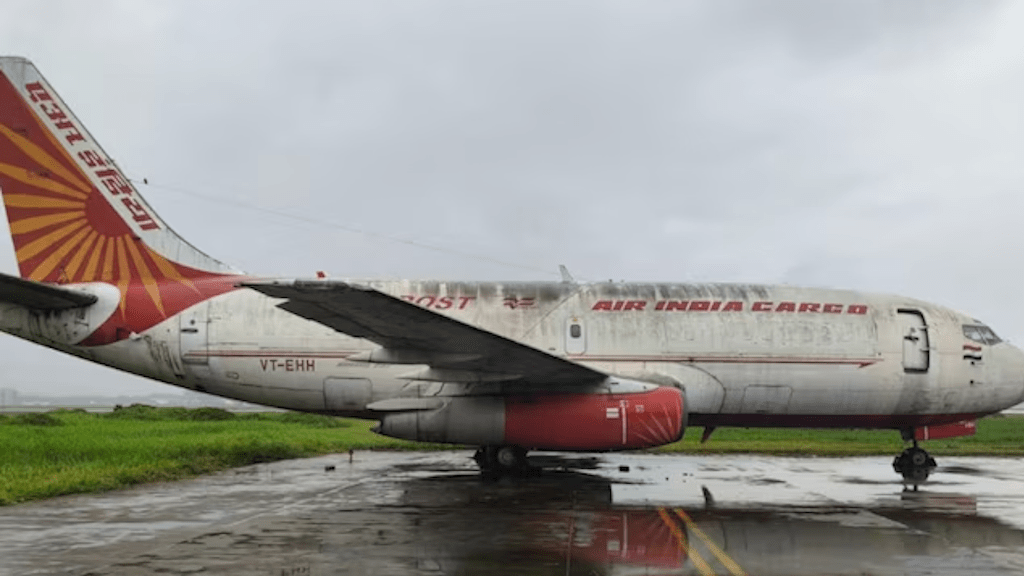
I hope you all are having a wonderful holiday season. This week, I’ve put together a compilation of interesting items in the press that you might have missed while enjoying…
 Nathan Pyle Strange Worlds
Thank you so much for all the kind words. I don’t quite have the wherewithal to respond to each of you individually but I very much appreciate all of you…